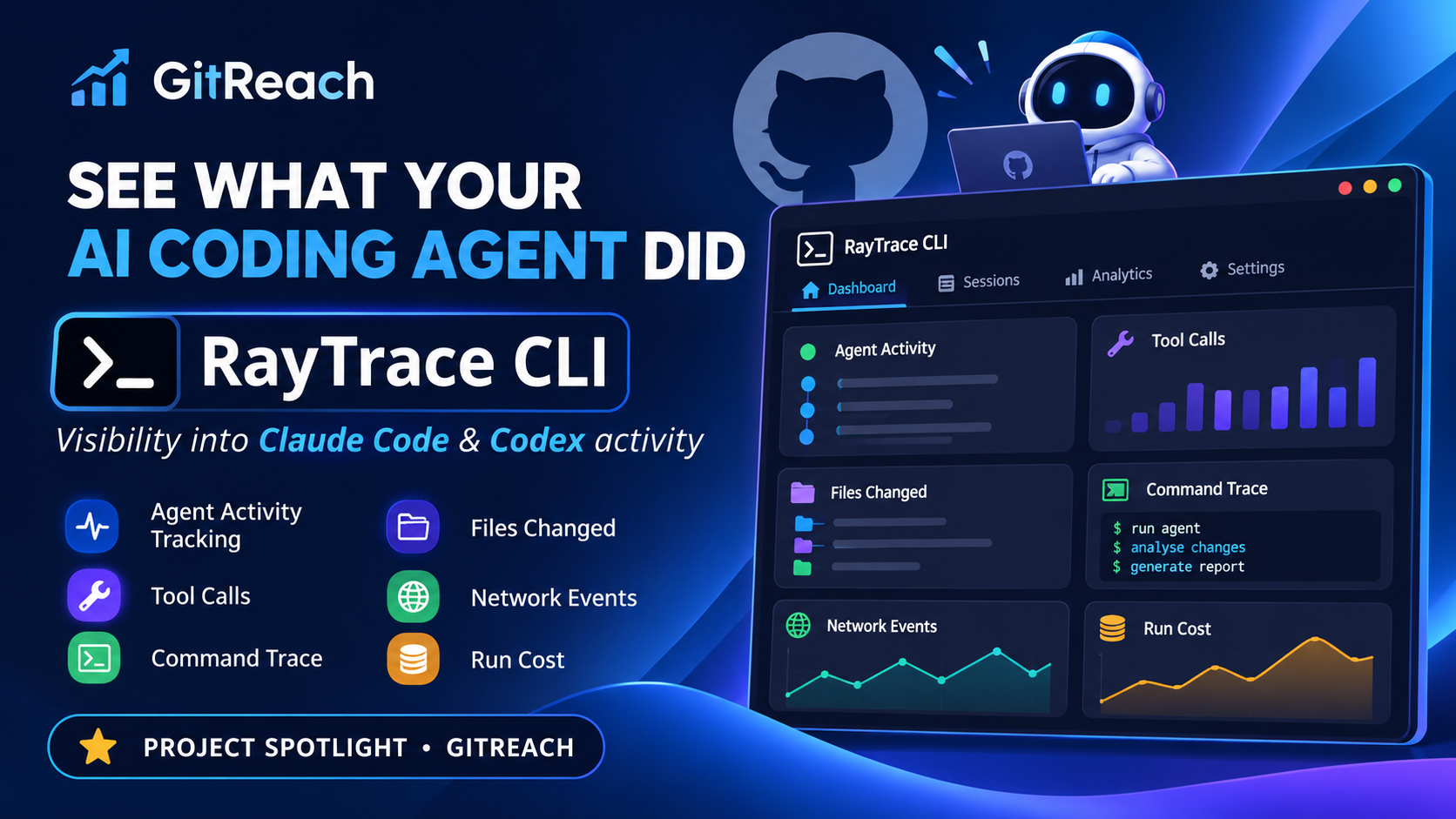
Beyond AI Code Generation: Why Execution Visibility Matters for AI Coding Agents
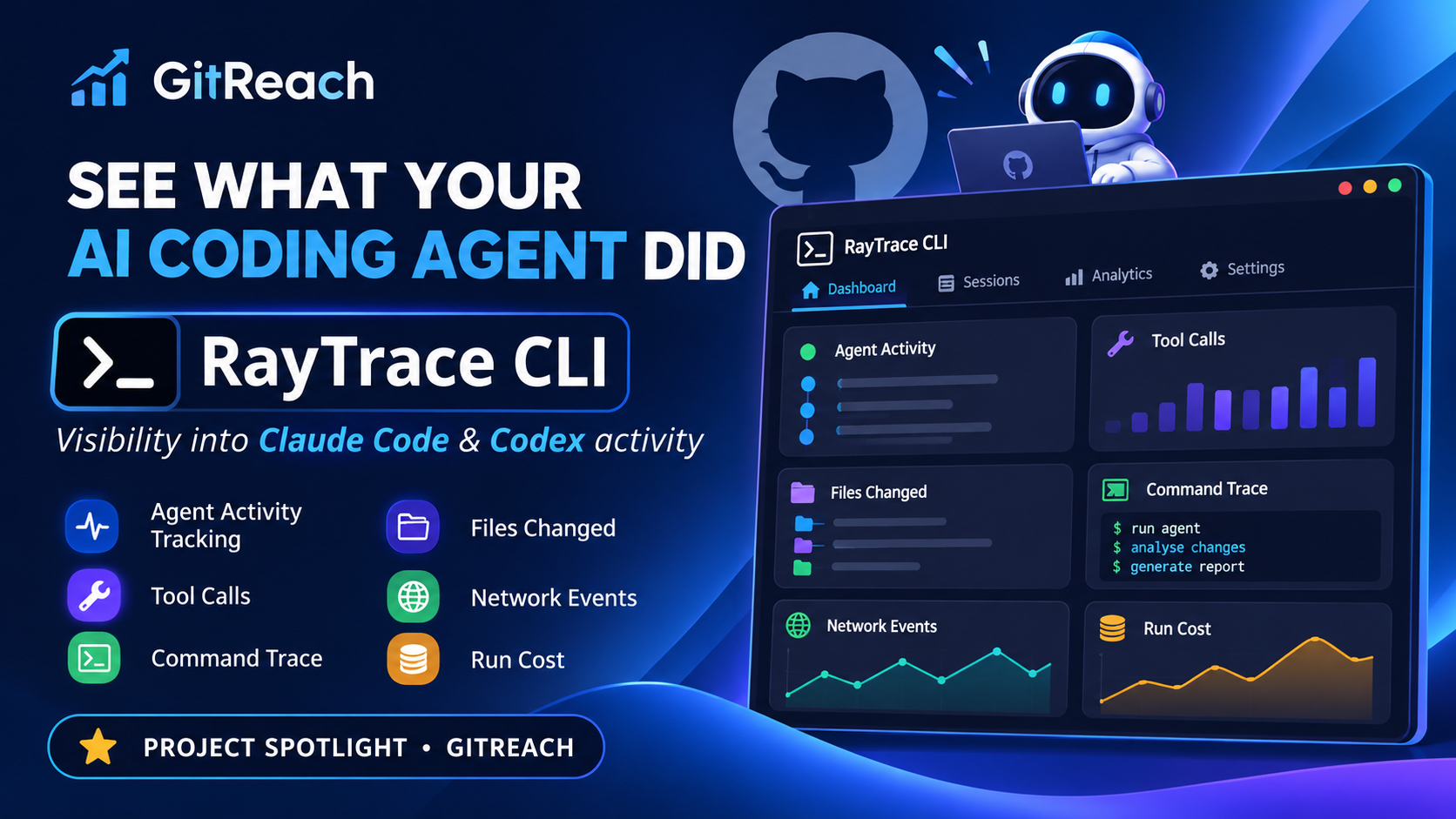
AI coding assistants are changing how developers write, modify, and manage software. Tools such as Claude Code and Codex can help developers work through complex programming tasks, generate code, and automate parts of their development workflow.
However, generating code is only one part of the process.
When an AI coding agent executes a task, it may interact with files, run terminal commands, call tools, and communicate with external services. Understanding what happens during that execution is an important part of maintaining visibility into an AI-assisted development workflow.
This raises an important question: how can developers better understand and inspect what their AI coding agents actually do?
The Visibility Challenge in AI-Assisted Development
Traditional development workflows give developers direct control over the commands they execute and the files they modify. AI coding agents introduce another layer of automation.
A developer may provide an instruction and allow an agent to perform several operations before returning a result.
Without useful execution visibility, it can become difficult to review the complete process, understand unexpected changes, or investigate what happened during a task.
This is where execution monitoring and isolation become relevant.
Understanding Isolated Execution Environments
One approach is to run AI coding agents inside controlled execution environments.
Instead of allowing every operation to happen directly within the developer's primary environment, sandboxing provides a separate environment in which tasks can execute.
Isolation, however, is only one part of the picture. Developers also benefit from understanding what happened inside that environment.
Useful execution records can include:
- Commands executed during a task.
- Files accessed or modified.
- Network connections.
- Tool calls.
- Execution history.
- Associated execution costs.
Together, these records provide a clearer picture of an AI agent's activity.
Introducing RayTrace CLI
RayTrace CLI is an open-source project focused on running AI coding agents in isolated environments while providing visibility into their execution activity.
Its supported workflows include Claude Code and Codex, with local and cloud sandbox options.
The project brings together execution isolation, activity records, and execution history to help developers better understand AI-assisted coding workflows.
It also supports MCP integration and uses Docker/gVisor in its sandbox architecture.
Why This Area Deserves More Attention
As AI coding agents become more integrated into software development, developers need to think beyond code generation.
Questions about execution, file access, external connections, tool usage, and operational visibility are becoming increasingly relevant.
The goal is not simply to automate more development tasks. It is also to make automated workflows easier to understand and inspect.
Explore the Project
RayTrace CLI is available on GitHub:
https://github.com/Godcreatebugs/raytrace-cli
Developers interested in AI coding agents, sandbox environments, and execution visibility can explore the repository and share their technical feedback.
Discussion question: What level of execution visibility do you think developers should have when working with AI coding agents?
About the author
- I'm passionate about technology, software innovation, and the open-source ecosystem. I share insights on developer tools, project visibility, AI-powered solutions, and strategies that help useful software reach the right audience. I enjoy exploring how great ideas move from development to real-world adoption.
Comments
Join the discussionNo comments yet. Be the first to comment.